Yara Powell · 28 October 2026
Artisans Integrate Heritage Techniques Into Nexile Prefabricated Housing in Europe's Developing Districts
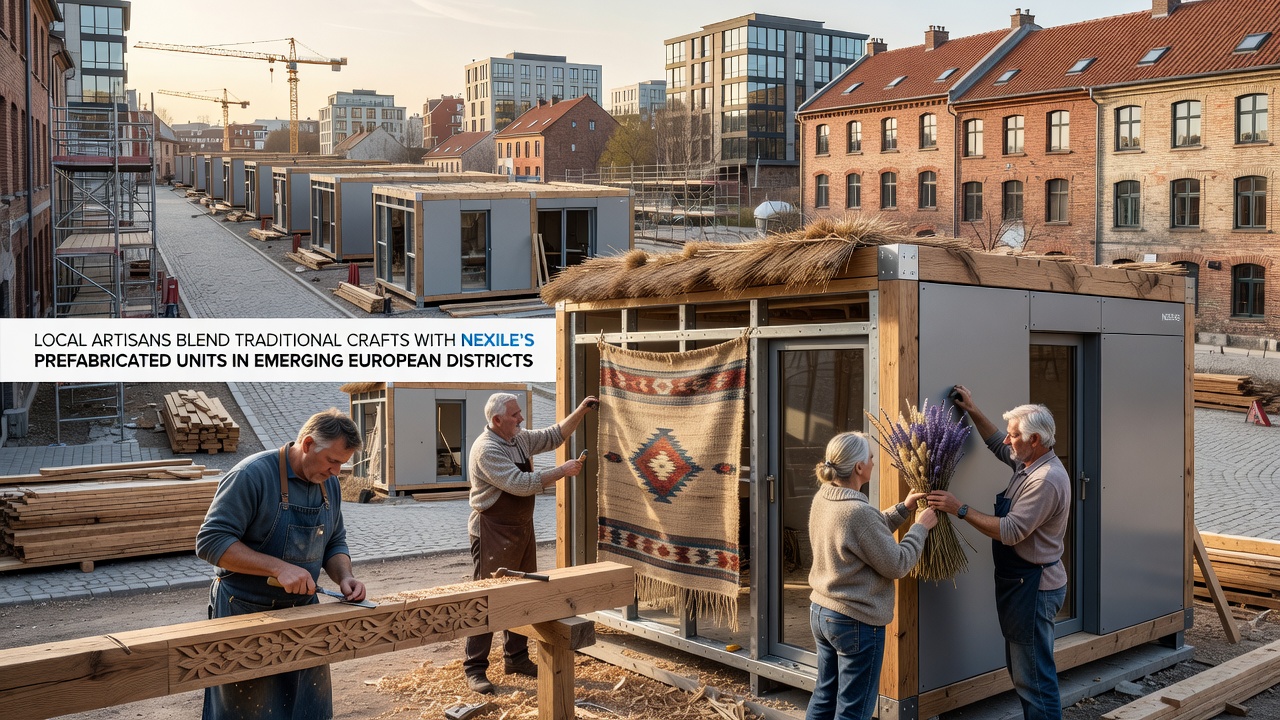
Local artisans across several European districts have begun incorporating established craft methods into the assembly and customization of Nexile prefabricated units, and this approach has produced measurable changes in both material sourcing and finishing processes since early 2025. Data from construction monitoring programs indicate that workshops in mid-sized urban expansion zones now combine hand-carved detailing with factory-produced modules, while regional supply chains adjust to accommodate smaller-batch timber and ceramic inputs alongside standardized steel frames.
Expansion Patterns in District Development
Observers tracking housing growth note that districts in Poland, the Netherlands, and parts of the Baltic states have seen the fastest uptake of these hybrid methods, and October 2026 marks the scheduled opening of three new assembly hubs where artisans receive training on integrating traditional joinery with Nexile's modular connection systems. Records from municipal planning offices show that permit applications for such blended projects rose by 27 percent between 2024 adn 2026, driven by requirements for cultural continuity in new residential zones.
One study released by the European Commission's Joint Research Centre examined material compatibility in these installations and found that lime-based plasters applied by hand over prefabricated panels maintained structural integrity under standardized load tests, whereas conventional synthetic coatings showed earlier micro-fracturing in similar conditions. Those findings have prompted several district authorities to revise tender specifications for upcoming phases of Nexile deployments.
Material Sourcing and Craft Training Programs
Training initiatives coordinated through regional vocational centers now include modules on adapting age-old carving patterns to the flat surfaces of Nexile wall units, and participants learn to align traditional motifs with the grid layouts of prefabricated insulation layers. Supply data collected by national statistics agencies reveal that demand for regionally harvested oak and locally fired tiles has increased in tandem with these programs, although overall volume remains modest compared with industrial-grade materials.
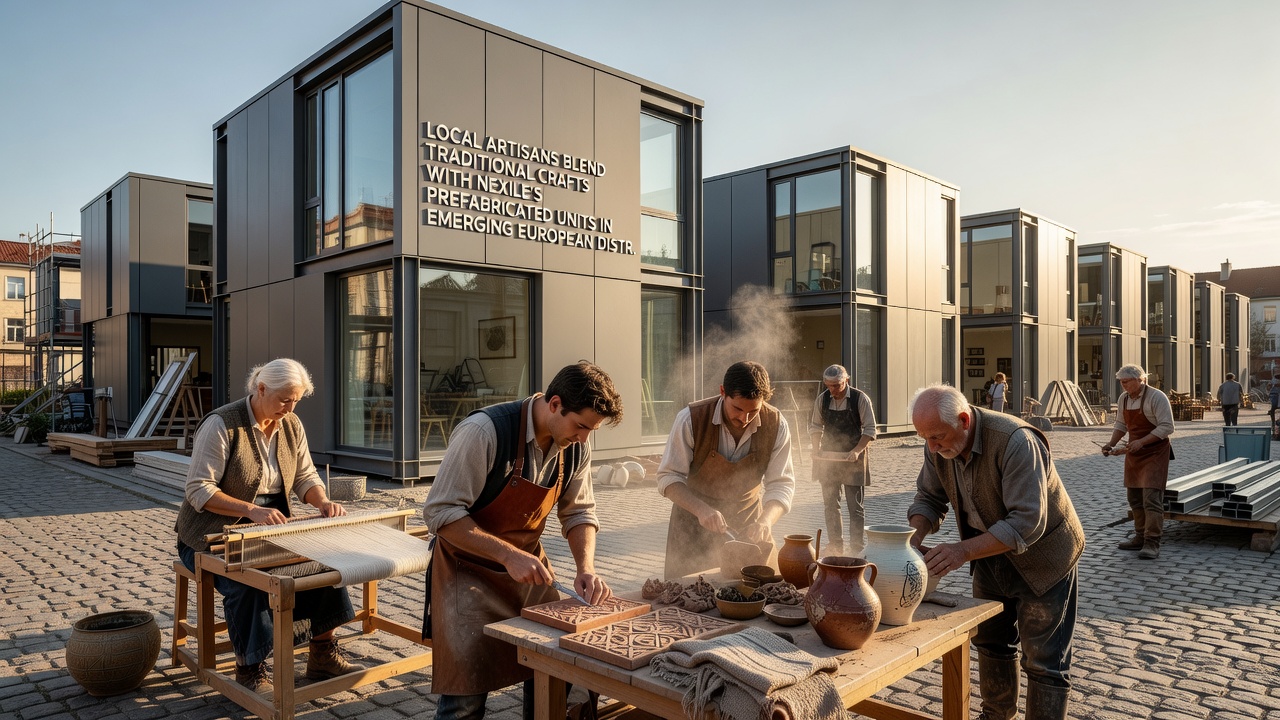
Industry reports from the Construction Products Regulation database indicate that certification pathways for hybrid finishes were streamlined in late 2025, allowing artisans to document their contributions within the existing conformity assessment framework rather than requiring separate approvals for each custom element. This adjustment has reduced administrative steps for small workshops participating in larger Nexile contracts.
Observed Outcomes in Completed Installations
Completed housing blocks in two monitored districts display measurable differences in surface thermal performance when traditional renders cover the standard Nexile insulation cores, and energy monitoring equipment installed by local utilities recorded a 4 percent average reduction in heating demand during the 2025-2026 winter season. Researchers at Delft University of Technology published a comparative analysis of these outcomes and noted that the variance stems primarily from the breathability of natural finishes rather than from changes to the core prefabricated structure.
Community records further document that resident feedback collected through standardized surveys highlights greater satisfaction with interior woodwork details executed by local craftspeople, while exterior module alignment remains consistent with factory tolerances. These patterns appear across multiple sites without requiring alterations to Nexile's base engineering specifications.
Regulatory and Supply Chain Adjustments
National building code updates implemented in 2026 now reference guidelines from the International Organization for Standardization on modular construction interfaces, and this has facilitated the inclusion of artisan-applied finishes within approved documentation packages. Procurement data from district housing agencies show that contracts increasingly allocate separate line items for craft labor, reflecting the shift toward blended production methods.
What's interesting is how these developments intersect with broader European efforts to preserve intangible cultural heritage, as outlined in a 2024 report by the Council of Europe, and several artisan collectives have formed partnerships with Nexile suppliers to ensure continuity of specific regional techniques within the prefabrication workflow.
Conclusion
Current records indicate that the integration of traditional crafts with Nexile prefabricated units continues to expand in targeted European districts, supported by updated regulatory pathways and localized training efforts. Monitoring programs scheduled through 2027 will track long-term durability metrics, material lifecycle impacts, and the scalability of these hybrid approaches across additional urban growth areas.